
Whether you're a firm believer or a healthy sceptic, Vastu Shastra is deeply woven into how Indians buy homes. Ask any real estate agent in the country and they'll tell you - a north-facing or east-facing house sells faster and often commands a premium. But how much of Vastu actually holds up, and what should you genuinely consider when choosing a home's direction and layout? Let's separate the practical from the superstitious.
The Main Entrance - Where It All Begins

In Vastu Shastra, the main entrance is considered the mouth of the home - it's where energy enters. The most preferred directions for the main door are:
- North: Associated with Kubera, the god of wealth. North-facing entrances are considered auspicious for financial prosperity.
- East: Associated with the rising sun, health, and positive energy. Many traditional homes in Rewa and across Madhya Pradesh are built with east-facing entrances for this reason.
- Northeast: Considered the most spiritually auspicious direction.
South and west-facing entrances are often seen as less desirable in Vastu, though this is where nuance matters. A well-designed south-facing home can be perfectly comfortable and even auspicious - Vastu actually permits south-facing entrances in specific pada (grid position) placements. The blanket fear of south-facing homes is more superstition than proper Vastu interpretation.
From a purely practical standpoint, east-facing homes get beautiful morning light - warm and gentle. North-facing homes get consistent, even light throughout the day without harsh direct sun. Both are genuinely pleasant to live in, which might explain why the Vastu preference developed in the first place. Ancient wisdom often has practical roots.
Kitchen Placement - The Southeast Corner
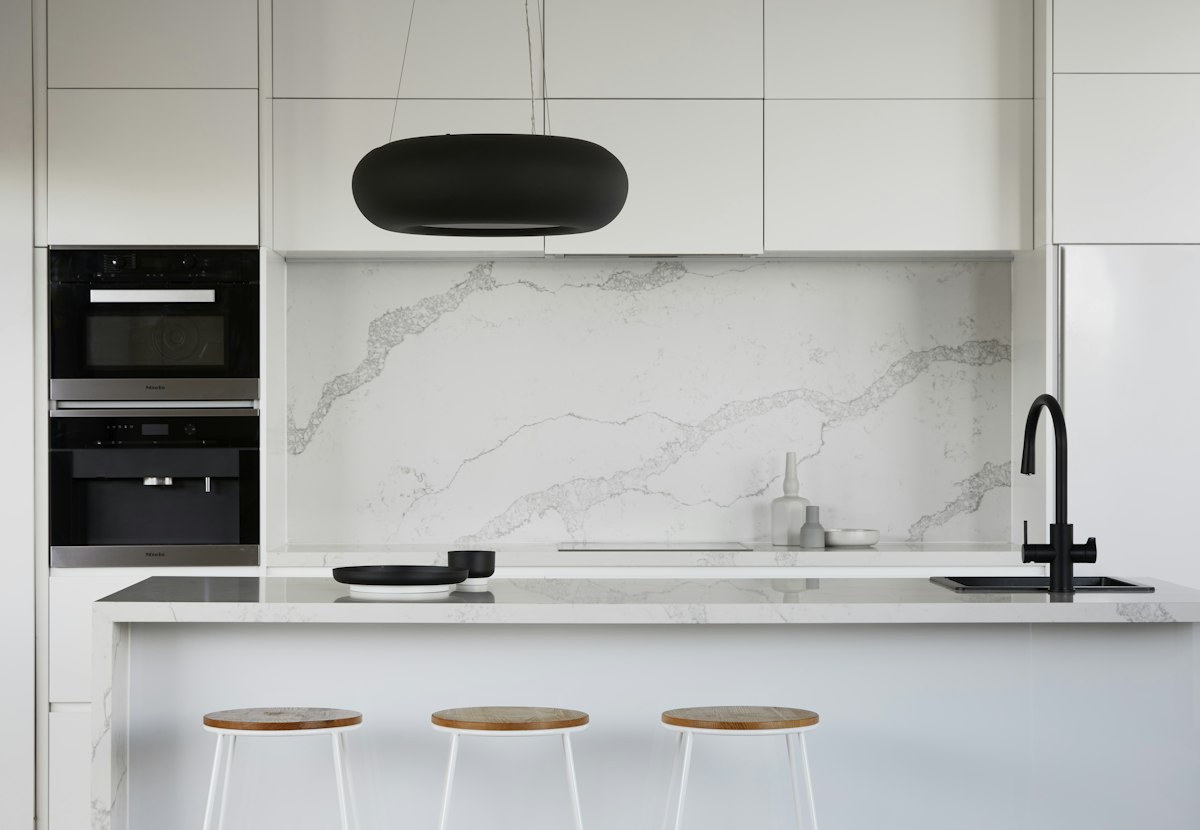
According to Vastu, the kitchen should ideally be in the southeast corner of the house, as this direction is governed by Agni (fire). The cook should face east while preparing meals. If southeast isn't possible, northwest is the next best option.
Practically speaking, this guidance has merit. The southeast gets morning sun, which helps keep the kitchen dry and naturally lit during the busiest cooking hours. Good ventilation and natural light in a kitchen reduce moisture buildup, mould, and that stale cooking smell that plagues poorly ventilated kitchens.
What Vastu says to avoid: - Kitchen directly facing the main entrance - Kitchen in the northeast corner (considered highly inauspicious) - Kitchen and bathroom sharing a wall (hygiene logic supports this too) - Cooking with your back to the kitchen entrance
When looking at flats in Rewa or anywhere else, check if the kitchen has a window on the east or south wall. Regardless of your Vastu beliefs, this single feature dramatically improves daily cooking comfort.
Bedroom Placement - Rest and Relationships
The master bedroom, as per Vastu, should be in the southwest portion of the home. This direction is associated with stability and strength - the heavy, grounding energy that supports restful sleep. The bed should be positioned so your head points south or east while sleeping.
Children's bedrooms work best in the west or northwest, and a guest bedroom fits well in the northwest corner. The northeast should ideally be kept open or used for a prayer room - it's the lightest, most open corner in Vastu philosophy.
Here's the practical angle: southwest rooms tend to be warmer (they get afternoon sun), which is actually comfortable in Rewa's winters. They also tend to be quieter if the home faces a road on the north or east side. Whether you attribute this to energy flow or simple physics, the result is the same - a better sleeping environment.
Plot Shape - Squares and Rectangles Win
If you're buying a plot to build on, Vastu strongly favours regular shapes - squares and rectangles. Irregular plots (L-shaped, triangular, or with cut corners) are considered inauspicious and are said to create imbalanced energy.
The practical reality backs this up entirely. Regular-shaped plots are: - Easier to design on - architects and engineers prefer them because room layouts are simpler - More efficient - less wasted space compared to odd corners in irregular plots - Better for resale - buyers overwhelmingly prefer regular plots, so your investment holds value better - Structurally sounder - building on irregular shapes often requires complex foundation work
If you're looking at plots in developing areas of Madhya Pradesh, be especially careful with corner-cut plots that result from irregular road layouts. They might be cheaper, but the design limitations and Vastu concerns make them harder to build on and harder to sell later.
Plots that are slightly wider on the north or east side (compared to the south or west) are considered especially lucky in Vastu - and they also happen to let in more light from the preferred directions.
Water Elements - Northeast Placement
Vastu places water elements - bore wells, water tanks, and overhead tanks - in the northeast direction. Underground water storage should also be in the north or east zones. Overhead tanks are best placed in the southwest for structural balance (the heaviest point of the house).
There's engineering wisdom here too. Placing an overhead tank in the southwest - the structurally strongest corner - makes sense from a load-bearing perspective, especially for houses built with traditional construction methods common in tier-2 cities.
For bore wells, the northeast placement ensures the open area around the well aligns with the lighter, more open part of the property. In modern apartment buildings, you won't control water element placement, but for independent houses and villas, it's worth considering during the design phase.
Common Vastu Myths - Debunked
Let's address some Vastu claims that have been exaggerated or distorted over time:
Myth: South-facing homes are always bad. Reality: Vastu has specific guidelines that make south-facing homes perfectly fine. Many successful people live in south-facing homes. The blanket rejection of south-facing properties is a modern misinterpretation, not traditional Vastu.
Myth: A toilet in the northeast will ruin your life. Reality: While Vastu discourages this, modern plumbing and apartment layouts don't always allow ideal placement. If your northeast bathroom is well-ventilated and kept clean, the sky won't fall. Vastu scholars themselves acknowledge that remedies exist for imperfect layouts.
Myth: You must demolish and rebuild if Vastu is wrong. Reality: Vastu offers numerous corrections and remedies - mirrors, colours, plants, lighting changes - that can address directional imbalances without structural changes. A Vastu consultant who tells you to demolish walls is probably trying to sell you renovation services.
Myth: Vastu guarantees success and prosperity. Reality: Vastu is a guideline for creating harmonious living spaces. It's not a magic formula. A Vastu-perfect house won't fix a bad business plan, and a non-Vastu house won't prevent success.
Balancing Vastu with Modern Design
Here's the realistic approach for today's buyer: use Vastu as one input among many, not as the sole decision-maker.
Modern apartments and houses have structural constraints - plumbing lines, lift shafts, column grids - that make pure Vastu compliance difficult. And that's okay. The goal should be to align with Vastu where it's practical and makes living better, while not rejecting an otherwise excellent property over minor Vastu imperfections.
Some sensible compromises: - Prioritize main entrance direction and master bedroom location - these have the biggest impact on daily comfort - Don't reject a property solely because the kitchen is in the "wrong" corner - check for ventilation and light instead - For plots, stick to regular shapes and preferred orientations - this is where Vastu and practicality align perfectly - Use interior design (colours, furniture placement, plants) to address Vastu concerns in fixed-layout apartments
Conclusion
Vastu Shastra, at its best, is a system for creating homes that feel naturally comfortable - well-lit, well-ventilated, and well-organized. Whether you follow it for spiritual reasons or practical ones, many of its principles simply make homes more pleasant to live in. The key is applying it with wisdom rather than fear.
When you're searching for a property in Rewa, Vedam Properties designs projects that thoughtfully incorporate Vastu principles without compromising on modern functionality. Their team understands that a great home balances tradition with today's lifestyle - and they're happy to walk you through the Vastu aspects of any property you're considering.