
India gets around 300 sunny days a year. That's not a fun fact - it's an untapped goldmine sitting on every rooftop in the country. Yet most new homes are still built without solar panels, and homeowners end up paying ever-increasing electricity bills for decades. It doesn't have to be this way.
The Economics Have Completely Changed

Five years ago, rooftop solar was expensive enough that the payback period stretched to 8-10 years. That math has flipped. In 2026, a 3kW rooftop solar system - enough for a typical 2-3BHK home - costs between ₹1.5-2.5 lakh after subsidies. The payback period? Three to four years in most of central India.
The central government's PM Surya Ghar Muft Bijli Yojana provides subsidies of ₹30,000 for 1kW systems and ₹60,000 for 2kW systems, with additional support up to 3kW. For families spending ₹2,000-4,000 monthly on electricity, solar practically eliminates that expense after the initial investment.
Electricity tariffs in Madhya Pradesh have been rising 5-8% annually. A solar installation locks in your energy cost at effectively zero for 25 years (the typical panel warranty period). That's not an investment - it's insurance against rising costs.
How Rooftop Solar Actually Works
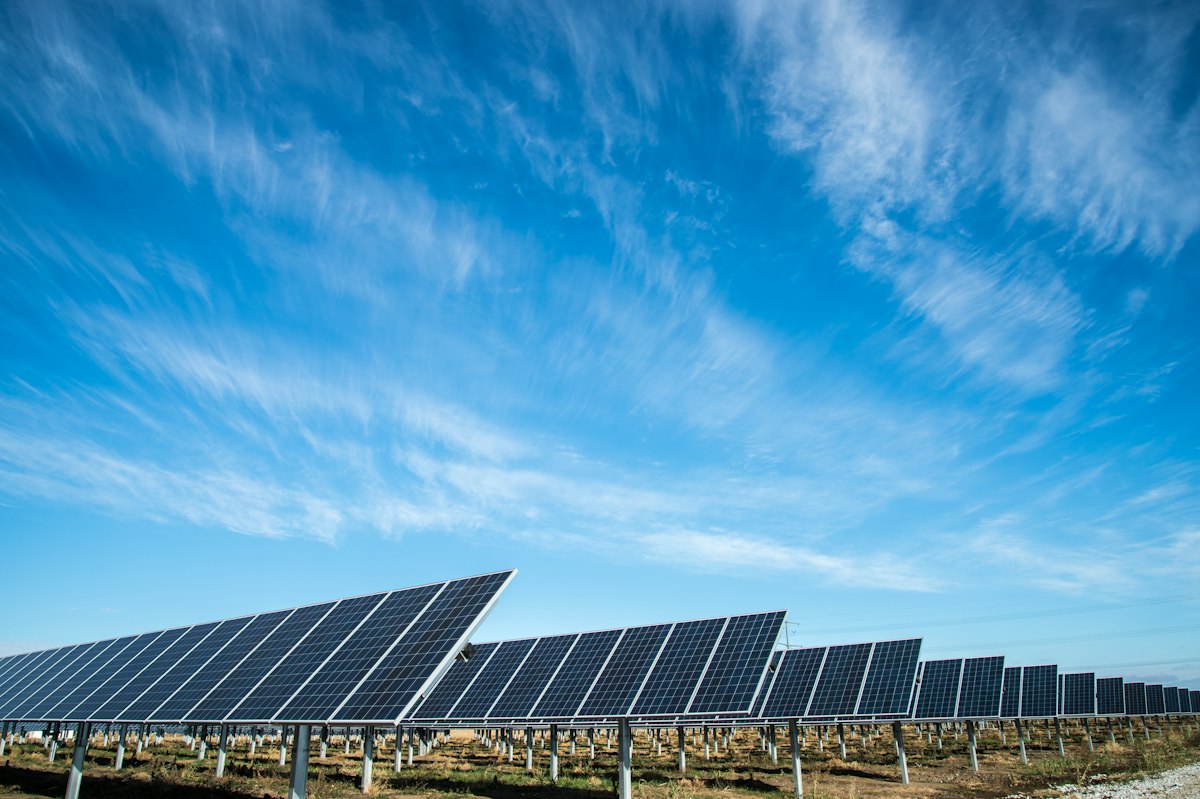
The setup is simpler than most people think. Photovoltaic panels mounted on your roof convert sunlight into DC electricity. An inverter converts this to AC power that runs your home appliances. Any excess power feeds back into the grid, spinning your meter backwards - this is called net metering.
Madhya Pradesh has a net metering policy that allows residential consumers to export surplus solar power to MPEB (now MPPKVVCL) and receive credits on their bill. So even when you're at work during peak sunshine hours, your solar panels are earning for you.
A typical 3kW system needs about 250-300 sq ft of shadow-free roof area. That's roughly the size of a large bedroom. The panels are mounted on aluminum frames tilted at an angle matching your latitude - around 24 degrees for cities like Rewa - to capture maximum sunlight year-round.
Battery storage is optional. Most grid-connected homes don't need batteries because net metering handles the surplus. However, if your area experiences frequent power cuts, a hybrid system with a 5kWh lithium battery (₹1-1.5 lakh additional) keeps essential loads running during outages.
What Solar Can and Can't Power
A 3kW system generates roughly 12-15 units (kWh) per day in central India. Here's what that covers: all your lighting, fans, refrigerator, TV, washing machine, and a couple of hours of AC usage. If your daily consumption is under 15 units, solar handles everything.
Heavy loads like 2-ton ACs running all day, geysers, and water heaters push consumption beyond what a 3kW system can handle alone. You'd need a 5kW system (₹3-4 lakh after subsidy) to cover a fully air-conditioned 3BHK home.
The honest reality: most Indian homes don't need to go 100% solar to see massive savings. Even covering 60-70% of your consumption with solar drops your monthly bill from ₹3,000+ to under ₹500. That's good enough for most families.
Installation Process and Timeline
Getting solar installed isn't the bureaucratic nightmare it used to be. Here's the typical process:
First, you get a site assessment from a MNRE-empanelled installer who checks your roof orientation, shadow patterns, and structural strength. This takes a day.
Next, you apply for net metering through your local discom. In Madhya Pradesh, the application is increasingly digitized. Approval typically takes 2-4 weeks.
Installation itself takes just 2-3 days for a residential system. The panels, inverter, wiring, and mounting structure go up quickly. After installation, the discom inspects the setup and installs a bidirectional meter.
From decision to generating your own power: about 4-6 weeks total.
Maintenance Is Minimal
Solar panels have no moving parts. Maintenance essentially means keeping them clean - washing with water once every 2-3 weeks, or more frequently during dusty months. In Rewa and surrounding areas, dust accumulation during summer can reduce output by 15-20% if panels aren't cleaned regularly.
The inverter is the only component likely to need replacement during the system's life. A good quality inverter lasts 10-12 years and costs ₹30,000-50,000 to replace. Panel degradation is minimal - expect 90% of original output after 10 years and 80% after 25 years.
Annual maintenance cost? Essentially zero if you clean the panels yourself. Even professional cleaning services charge ₹500-1,000 per visit.
Impact on Property Value
Here's something sellers don't talk about enough: solar-equipped homes command a premium in the resale market. Studies from the Indian real estate sector suggest a 3-5% increase in property value for homes with functioning solar systems.
Think about it from a buyer's perspective. A home with solar panels means immediate savings from day one - no waiting for installation, no upfront cost. That's a tangible, quantifiable benefit that justifies a higher price.
For new construction, integrating solar during the building phase is far cheaper than retrofitting later. Conduit routing, structural provisions for panel weight, and inverter placement can all be planned upfront, saving ₹10,000-20,000 in installation costs.
Common Concerns Addressed
"What about cloudy days?" - Solar panels still generate 25-40% of their rated output on overcast days. Completely dark, rainy days are rare enough that annual generation targets are barely affected. Madhya Pradesh's climate is actually ideal for solar - dry, sunny, and consistently bright for most of the year.
"Will panels damage my roof?" - Properly installed mounting structures actually protect the roof area beneath them from direct sun and rain, extending the waterproofing life. The mounting points are sealed with flashing to prevent leaks.
"What happens when I sell?" - Solar systems transfer with the property. They're a selling point, not a complication. Net metering connections can be transferred to the new owner with a simple application.
Conclusion
Every new property built in India without solar provisions is leaving money on the table - both for the current owner and future buyers. The technology is proven, the subsidies are generous, and the economics are overwhelmingly in your favour.
At Vedam Properties, we encourage all our clients to consider solar readiness when investing in property. Whether you're buying a plot in Rewa or looking at ready-to-move homes, incorporating solar from the start is one of the most practical decisions you'll make. Talk to us about properties that are designed with sustainable living in mind.